Brain teasers
33 games

Bubble Shooter
Play now
Candy Match 3
Play now
Candy Super Lines
Play now
Car Physics
Play now
Casino Cards Memory
Play now
Crossword For Kids
Play now
Donut Crash Saga
Play now
Easter Memory
Play now
Fish World Match 3
Play now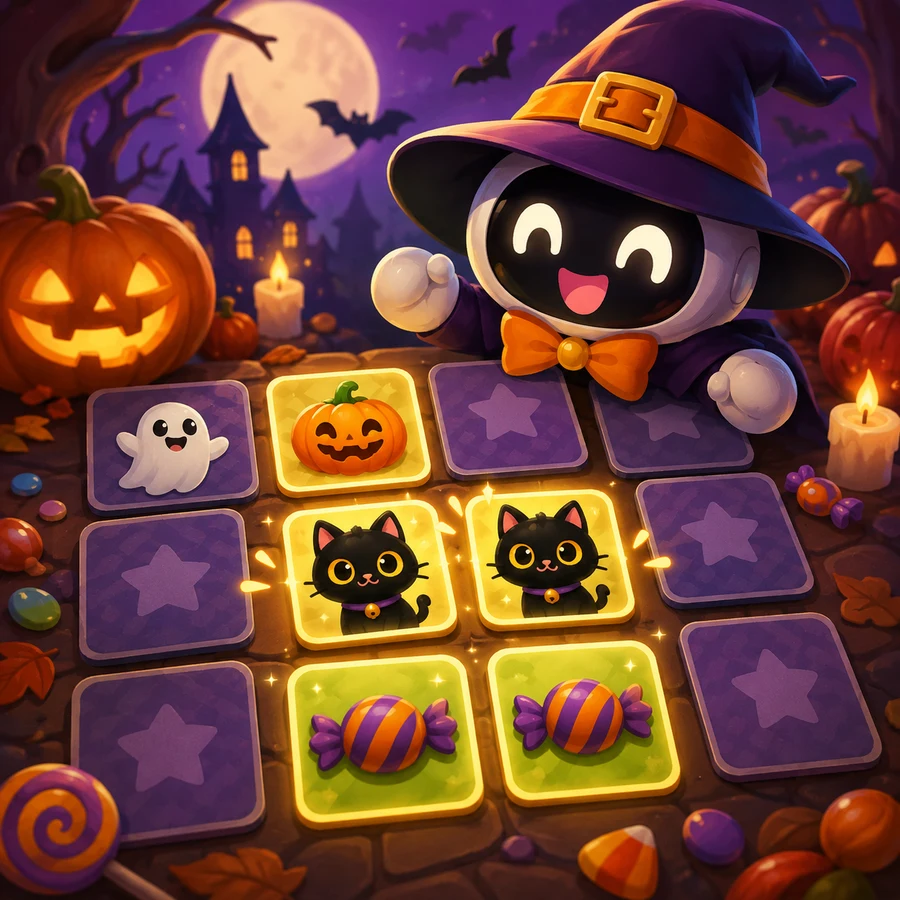
Halloween Memory
Play now
Handless Millionaire
Play now
Hot Jewels
Play now
Jelly Match 3
Play now
Kids True Color
Play now
Lollipops Match 3
Play now
Mad Scientist
Play now
Math Game For Kids
Play now
Math Game For Kids
Play now
Memory Game
Play now
Monster Match 3
Play now
Mummy Candies
Play now
Plumber
Play now
Professor Bubble
Play now
Quick Dice
Play now
Robotex
Play now
Schitalochka
Play now
Shoot Robbers
Play now
Smiles
Play now
Space Match 3
Play now
Super Color Lines Match 5
Play now
Supercars Puzzle
Play now
Traffic Command
Play nowBrain teasers
The first question people ask about this shelf is how it differs from the puzzle shelf, given that several games appear on both. The answer is in what the game measures. A puzzle asks whether you can find the way through. A thinking game asks whether you can remember, calculate and sequence. A title that does both belongs on both shelves, and that overlap is not sloppiness — it is a warning about what the game will demand from you.
Three kinds of game live here
The first kind is memory: flip cards, find the matching pair. Difficulty does not come from the number of cards but from the moment you stop guessing and start genuinely tracking positions. Strong players here turn over an unknown card to collect information, not to get lucky.
The second kind is numbers and words: primary-school arithmetic, crossword grids, reading drills. This group works remarkably well with a child beside you, because the problems are short, a wrong answer costs nothing, and nothing punishes a beginner hard enough to make them quit.
The third kind is sequencing, such as arranging coloured balls until a line completes. This group is the sneaky one. The opening moves feel so easy that you place pieces carelessly, and only when the board tightens do you realise the move that beat you happened ten turns earlier.
Where to begin
If this is new territory, start with a memory game: the rules take three seconds to grasp and require no reading at all. If you want something that asks for longer thought, skip straight to the sequencing group. Save the arithmetic titles for a moment when a child is sitting with you — they turn into a completely different game once two people are answering together.
Before you press play
Most games here run without a clock, so you can think for as long as you like. That makes the shelf a good fit for breaks that keep getting interrupted: put it down mid-board and nothing is lost. It also means that if you came looking for something fast and loud, this shelf will feel slow, and the arcade or jumping shelves will serve you better.
Games are placed here according to what they actually ask of a player rather than the label attached to the file. If you find something on this shelf that does not belong, that is more useful to us than a compliment.